Buy autoptp.eu ?
We are moving the project
autoptp.eu .
Are you interested in purchasing the domain
autoptp.eu ?
domain@kv-gmbh.de · 0541-91531010
Buy autoptp.eu ?
What is the difference between Past Perfect and Past Perfect Simple?
The Past Perfect and Past Perfect Simple are both verb tenses used to show an action that occurred before another action in the past. The Past Perfect Simple is used to emphasize the completion of an action before another action in the past, while the Past Perfect is used to show the duration of an action that was completed before another action in the past. In essence, the Past Perfect Simple focuses on the completion of an action, while the Past Perfect emphasizes the duration of the action. **
For the past: Simple past or present perfect?
The choice between simple past and present perfect depends on the specific context and the speaker's intention. Generally, the simple past is used to talk about a specific completed action or event that occurred at a definite time in the past. On the other hand, the present perfect is used to indicate a connection between the past and the present, emphasizing the relevance or impact of the past action on the present moment. So, if the focus is on a completed action with a specific time reference, simple past is more appropriate. If the focus is on the relevance of the past action to the present moment, present perfect is more suitable. **

Similar search terms for Past Perfect
Top-Angebote
Products related to Past Perfect:
-
Uplift Essentials Smart Self Cleaning Litter Box Replacement Accessories & Maintenance Parts q clean filterKeep your automated pet care system running at peak performance with our specialized automatic litter box accessories collection. Maintaining a clean and hygienic environment for your cat is essential, and these precision components are designed to...67,97 $*Shipping: 0,00 $Secure redirect to the provider
-
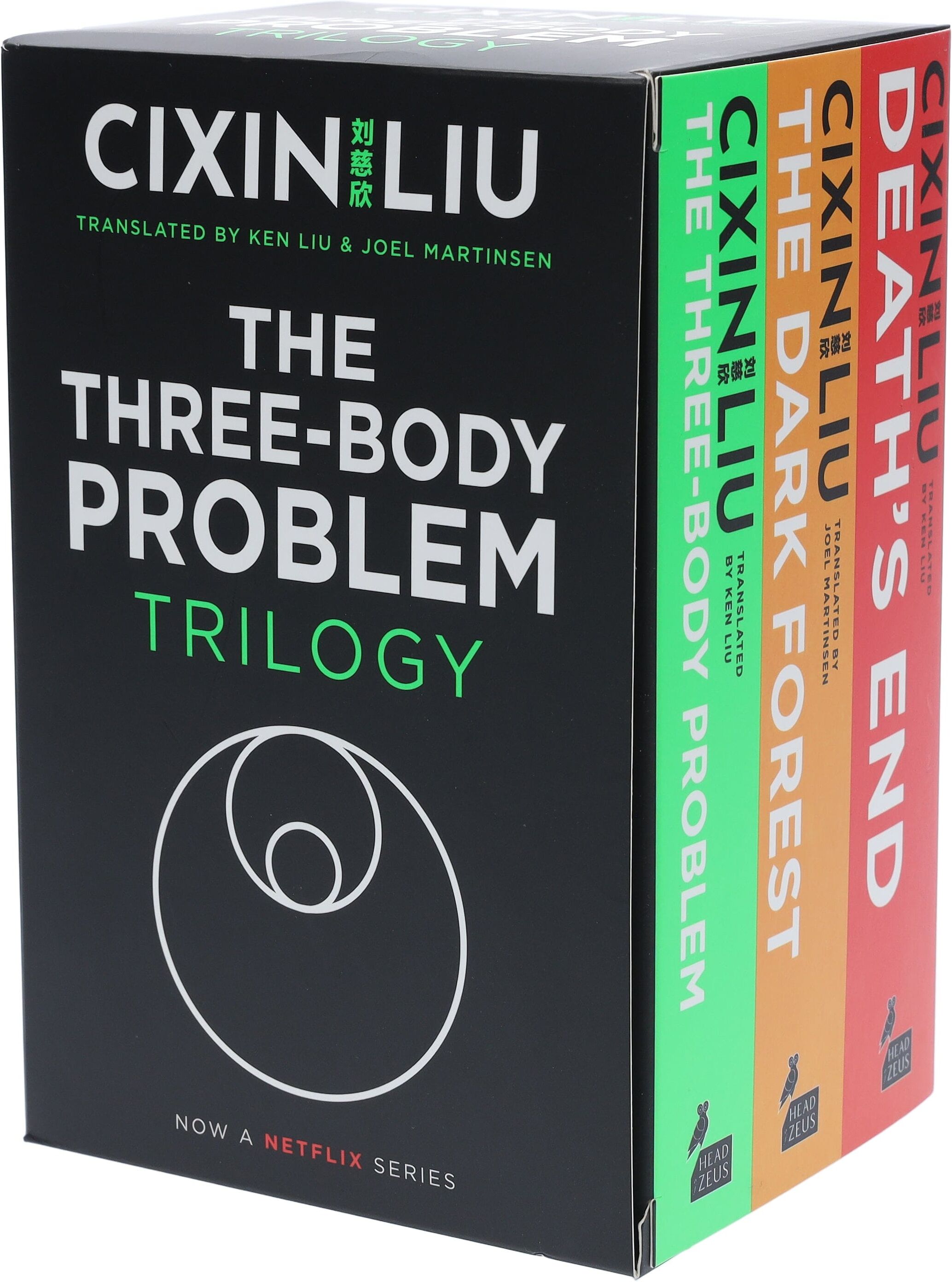
3 Body Problem by Cixin Liu: Remembrance of Earth's Past Trilogy 3 Books Box Set - Fiction - Paperback Head of ZeusGet the original novels, now a hit Netflix series! Titles in this set: The Three Body Problem The Dark Forest Death's End Description The Three Body Problem 1967: Ye Wenjie witnesses Red Guards beat her father to death during China's Cultural Revolution. This singular event will shape not only the rest of her life but also the future of mankind. Four decades later, Beijing police ask nanotech engineer Wang Miao to infiltrate a secretive cabal of scientists after a spate of inexplicable suicides. Wang's investigation will lead him to a mysterious online game and immerse him in a virtual world ruled by the intractable and unpredictable interaction of its three suns. This is the Three-Body Problem and it is the key to everything: the key to the scientists' deaths, the key to a conspiracy that spans light-years and the key to the extinction-level threat humanity now faces. The Dark Forest Imagine the universe as a forest, patrolled by numberless and nameless predators. In this forest, stealth is survival – any civilisation that reveals its location is prey. Earth has. Now the predators are coming. Crossing light years, the Trisolarians will reach Earth in four centuries' time. But the sophons, their extra-dimensional agents and saboteurs, are already here. Only the individual human mind remains immune to their influence. This is the motivation for the Wallfacer Project, a last-ditch defence that grants four individuals almost absolute power to design secret strategies, hidden through deceit and misdirection from human and alien alike. Three of the Wallfacers are influential statesmen and scientists, but the fourth is a total unknown. Luo Ji, an unambitious Chinese astronomer, is baffled by his new status. All he knows is that he's the one Wallfacer that Trisolaris wants dead. Death's End Read the award-winning, critically acclaimed, multi-million-copy-selling science-fiction phenomenon – soon to be a Netflix Original Series from the creators of Game of Thrones. Half a century after the Doomsday Battle, the uneasy balance of Dark Forest Deterrence keeps the Trisolaran invaders at bay. Earth enjoys unprecedented prosperity due to the infusion of Trisolaran knowledge and, with human science advancing and the Trisolarans adopting Earth culture, it seems that the two civilizations can co-exist peacefully as equals without the terrible threat of mutually assured annihilation. But peace has made humanity complacent. Cheng Xin, an aerospace engineer from the 21st century, awakens from hibernation in this new age. She brings knowledge of a long-forgotten program dating from the start of the Trisolar Crisis, and her presence may upset the delicate balance between two worlds. Will humanity reach for the stars or die in its cradle?19,99 £*Shipping: 2,99 £Secure redirect to the provider
-
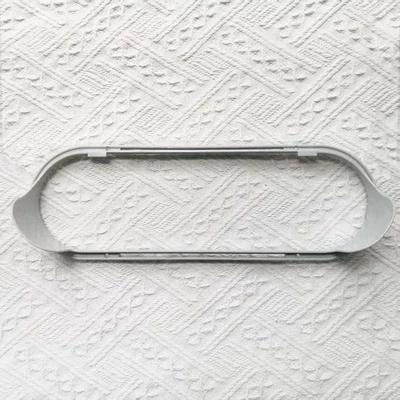
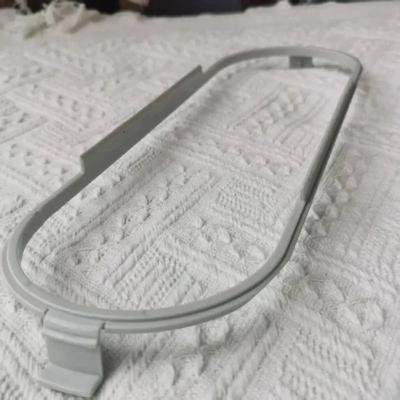
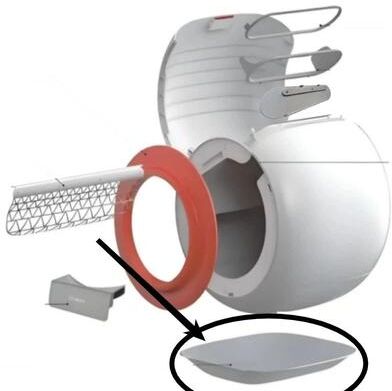
Uplift Essentials Smart Self Cleaning Litter Box Replacement Accessories & Maintenance Parts q clean frameKeep your automated pet care system running at peak performance with our specialized automatic litter box accessories collection. Maintaining a clean and hygienic environment for your cat is essential, and these precision components are designed to...64,97 $*Shipping: 0,00 $Secure redirect to the provider
-
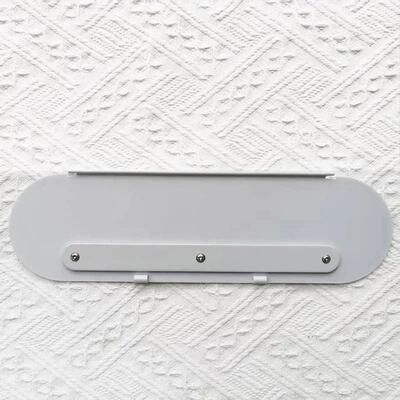
Uplift Essentials Smart Self Cleaning Litter Box Replacement Accessories & Maintenance Parts q clean circleKeep your automated pet care system running at peak performance with our specialized automatic litter box accessories collection. Maintaining a clean and hygienic environment for your cat is essential, and these precision components are designed to...64,97 $*Shipping: 0,00 $Secure redirect to the provider

-
What is the present (present tense), 1st past (simple past), 2nd past (present perfect), past perfect (pluperfect), and future (future tense)?
Present: I walk to school every day. 1st Past (Simple Past): Yesterday, I walked to school. 2nd Past (Present Perfect): I have walked to school many times. Past Perfect (Pluperfect): By the time I arrived, I had already walked to school. Future: Tomorrow, I will walk to school again. **
-
What is the present (present tense), 1st past (preterite), 2nd past (perfect), past perfect (pluperfect), and future (future)?
The present tense describes actions happening now or regularly. The 1st past, or preterite, describes actions that happened at a specific point in the past. The 2nd past, or perfect, describes actions that were completed in the past. The past perfect, or pluperfect, describes actions that were completed before another past action. The future tense describes actions that will happen in the future. **
-
What is the difference between Past Perfect and Past Progressive?
The Past Perfect tense is used to show that an action was completed before another action took place in the past. It is formed by using the auxiliary verb "had" followed by the past participle of the main verb. For example, "She had already finished her homework when her friends arrived." On the other hand, the Past Progressive tense is used to show that an action was ongoing or in progress at a specific point in the past. It is formed by using the past tense of the verb "to be" (was/were) followed by the present participle of the main verb. For example, "She was studying when her friends arrived." In summary, the Past Perfect tense is used to show the completion of an action before another action in the past, while the Past Progressive tense is used to show an ongoing action at a specific point in the past. **
-
I urgently need help with using Simple Past or Past Perfect.
Simple Past is used to describe actions that happened at a specific point in the past, while Past Perfect is used to show that one action happened before another action in the past. If you are talking about two actions that happened in the past and you want to show which one happened first, you should use Past Perfect for the action that occurred first. It's important to pay attention to the sequence of events when deciding whether to use Simple Past or Past Perfect in your sentences. **
Can you please explain the Simple Past and the Past Perfect?
The Simple Past tense is used to describe actions that were completed in the past at a specific time or for a specific duration. It is formed by adding "-ed" to regular verbs or using the past form of irregular verbs. For example, "I walked to the store yesterday." The Past Perfect tense is used to show that one action happened before another action in the past. It is formed by using "had" followed by the past participle of the verb. For example, "She had already eaten dinner when I arrived." In this sentence, the action of eating dinner (Past Perfect) happened before the action of arriving (Simple Past). **
What exercises are there for the Past Progressive and Past Perfect?
For the Past Progressive, exercises can include completing sentences with the correct form of the verb in the past progressive tense, or rewriting sentences in the past progressive tense. For the Past Perfect, exercises can involve filling in the blanks with the correct form of the verb in the past perfect tense, or creating sentences using the past perfect tense based on given prompts. Additionally, exercises can include identifying the correct tense to use in a given context, or creating a narrative using both past progressive and past perfect tenses. **
Top-Angebote
Products related to Past Perfect:
-
Vancasso SIMI 2-Piece 10-inch Boho Porcelain Past Bowl SetElevate your dining experience with the Vancasso SIMI 10-Inch Porcelain Past Bowl Set. Featuring eye-catching Bohemian-inspired hand-painted designs, these bowls blend artistry with everyday functionality.51,49 $*Shipping: 0,00 $Secure redirect to the provider
-
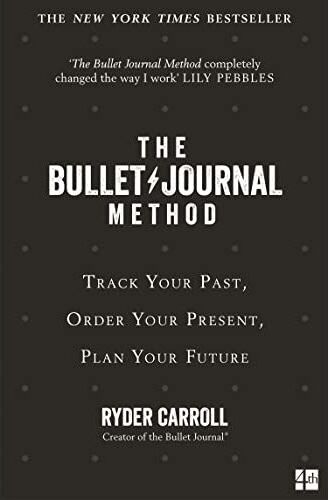
Fourth Estate The Bullet Journal Method: Track Your Past, Order Your Present, Plan Your FutureTHE NEW YORK TIMES BESTSELLER Transform your life using the Bullet Journal Method, the revolutionary organisational system and worldwide phenomenon. The Bullet Journal Method will undoubtedly transform your life, in more ways than you can imagine’ Hal Elrod, author of The Miracle Morning In his long-awaited first book, Ryder Carroll, the creator of the enormously popular Bullet Journal organisational system, explains how to use his method to: TRACK YOUR PAST: using nothing more than a pen and paper, create a clear, comprehensive, and organised record of your thoughts and goals. ORDER YOUR PRESENT: find daily calm by prioritising and minimising your workload and tackling your to-do list in a more mindful and productive way. PLAN YOUR FUTURE: establish and appraise your short-term and long-term goals, plan more complex projects simply and effectively, and live your life with meaning and purpose. Like many of us, Ryder Carroll tried everything to get organised – countless apps, systems, planners, you name it. Nothing really worked. Then he invented his own simple system that required only pen and paper, which he found both effective and calming. He shared his method with a few friends, and before long he had a worldwide viral movement. The system combines elements of a wishlist, a to-do list, and a diary. It helps you identify what matters and set goals accordingly. By breaking long-term goals into small actionable steps, users map out an approachable path towards continual improvement, allowing them to stay focused despite the crush of incoming demands. But this is much more than a time management book. It's also a manifesto for what Ryder calls "intentional living": making sure that your beliefs and actions align. Even if you already use a Bullet Journal, this book gives you new exercises to become more calm and focused, new insights on how to prioritise well, and a new awareness of the power of analogue tools in a digital world. *** This book has been printed with three different colour designs, black, Nordic blue and emerald. We are unable to accept requests for a specific cover. The different covers will be assigned to orders at random. ***8,99 £*Shipping: 2,99 £Secure redirect to the provider
-
Uplift Essentials Smart Self Cleaning Litter Box Replacement Accessories & Maintenance Parts q clean filterKeep your automated pet care system running at peak performance with our specialized automatic litter box accessories collection. Maintaining a clean and hygienic environment for your cat is essential, and these precision components are designed to...67,97 $*Shipping: 0,00 $Secure redirect to the provider
-
3 Body Problem by Cixin Liu: Remembrance of Earth's Past Trilogy 3 Books Box Set - Fiction - Paperback Head of ZeusGet the original novels, now a hit Netflix series! Titles in this set: The Three Body Problem The Dark Forest Death's End Description The Three Body Problem 1967: Ye Wenjie witnesses Red Guards beat her father to death during China's Cultural Revolution. This singular event will shape not only the rest of her life but also the future of mankind. Four decades later, Beijing police ask nanotech engineer Wang Miao to infiltrate a secretive cabal of scientists after a spate of inexplicable suicides. Wang's investigation will lead him to a mysterious online game and immerse him in a virtual world ruled by the intractable and unpredictable interaction of its three suns. This is the Three-Body Problem and it is the key to everything: the key to the scientists' deaths, the key to a conspiracy that spans light-years and the key to the extinction-level threat humanity now faces. The Dark Forest Imagine the universe as a forest, patrolled by numberless and nameless predators. In this forest, stealth is survival – any civilisation that reveals its location is prey. Earth has. Now the predators are coming. Crossing light years, the Trisolarians will reach Earth in four centuries' time. But the sophons, their extra-dimensional agents and saboteurs, are already here. Only the individual human mind remains immune to their influence. This is the motivation for the Wallfacer Project, a last-ditch defence that grants four individuals almost absolute power to design secret strategies, hidden through deceit and misdirection from human and alien alike. Three of the Wallfacers are influential statesmen and scientists, but the fourth is a total unknown. Luo Ji, an unambitious Chinese astronomer, is baffled by his new status. All he knows is that he's the one Wallfacer that Trisolaris wants dead. Death's End Read the award-winning, critically acclaimed, multi-million-copy-selling science-fiction phenomenon – soon to be a Netflix Original Series from the creators of Game of Thrones. Half a century after the Doomsday Battle, the uneasy balance of Dark Forest Deterrence keeps the Trisolaran invaders at bay. Earth enjoys unprecedented prosperity due to the infusion of Trisolaran knowledge and, with human science advancing and the Trisolarans adopting Earth culture, it seems that the two civilizations can co-exist peacefully as equals without the terrible threat of mutually assured annihilation. But peace has made humanity complacent. Cheng Xin, an aerospace engineer from the 21st century, awakens from hibernation in this new age. She brings knowledge of a long-forgotten program dating from the start of the Trisolar Crisis, and her presence may upset the delicate balance between two worlds. Will humanity reach for the stars or die in its cradle?19,99 £*Shipping: 2,99 £Secure redirect to the provider
-
What is the difference between Past Perfect and Past Perfect Simple?
The Past Perfect and Past Perfect Simple are both verb tenses used to show an action that occurred before another action in the past. The Past Perfect Simple is used to emphasize the completion of an action before another action in the past, while the Past Perfect is used to show the duration of an action that was completed before another action in the past. In essence, the Past Perfect Simple focuses on the completion of an action, while the Past Perfect emphasizes the duration of the action. **
-
For the past: Simple past or present perfect?
The choice between simple past and present perfect depends on the specific context and the speaker's intention. Generally, the simple past is used to talk about a specific completed action or event that occurred at a definite time in the past. On the other hand, the present perfect is used to indicate a connection between the past and the present, emphasizing the relevance or impact of the past action on the present moment. So, if the focus is on a completed action with a specific time reference, simple past is more appropriate. If the focus is on the relevance of the past action to the present moment, present perfect is more suitable. **
-
What is the present (present tense), 1st past (simple past), 2nd past (present perfect), past perfect (pluperfect), and future (future tense)?
Present: I walk to school every day. 1st Past (Simple Past): Yesterday, I walked to school. 2nd Past (Present Perfect): I have walked to school many times. Past Perfect (Pluperfect): By the time I arrived, I had already walked to school. Future: Tomorrow, I will walk to school again. **
-
What is the present (present tense), 1st past (preterite), 2nd past (perfect), past perfect (pluperfect), and future (future)?
The present tense describes actions happening now or regularly. The 1st past, or preterite, describes actions that happened at a specific point in the past. The 2nd past, or perfect, describes actions that were completed in the past. The past perfect, or pluperfect, describes actions that were completed before another past action. The future tense describes actions that will happen in the future. **
Similar search terms for Past Perfect
-
Uplift Essentials Smart Self Cleaning Litter Box Replacement Accessories & Maintenance Parts q clean frameKeep your automated pet care system running at peak performance with our specialized automatic litter box accessories collection. Maintaining a clean and hygienic environment for your cat is essential, and these precision components are designed to...64,97 $*Shipping: 0,00 $Secure redirect to the provider
-
Uplift Essentials Smart Self Cleaning Litter Box Replacement Accessories & Maintenance Parts q clean circleKeep your automated pet care system running at peak performance with our specialized automatic litter box accessories collection. Maintaining a clean and hygienic environment for your cat is essential, and these precision components are designed to...64,97 $*Shipping: 0,00 $Secure redirect to the provider
-
Uplift Essentials Smart Self Cleaning Litter Box Replacement Accessories & Maintenance Parts q clean doorKeep your automated pet care system running at peak performance with our specialized automatic litter box accessories collection. Maintaining a clean and hygienic environment for your cat is essential, and these precision components are designed to...65,97 $*Shipping: 0,00 $Secure redirect to the provider
-
Uplift Essentials Smart Self Cleaning Litter Box Replacement Accessories & Maintenance Parts q clean matKeep your automated pet care system running at peak performance with our specialized automatic litter box accessories collection. Maintaining a clean and hygienic environment for your cat is essential, and these precision components are designed to...86,97 $*Shipping: 0,00 $Secure redirect to the provider
-
What is the difference between Past Perfect and Past Progressive?
The Past Perfect tense is used to show that an action was completed before another action took place in the past. It is formed by using the auxiliary verb "had" followed by the past participle of the main verb. For example, "She had already finished her homework when her friends arrived." On the other hand, the Past Progressive tense is used to show that an action was ongoing or in progress at a specific point in the past. It is formed by using the past tense of the verb "to be" (was/were) followed by the present participle of the main verb. For example, "She was studying when her friends arrived." In summary, the Past Perfect tense is used to show the completion of an action before another action in the past, while the Past Progressive tense is used to show an ongoing action at a specific point in the past. **
-
I urgently need help with using Simple Past or Past Perfect.
Simple Past is used to describe actions that happened at a specific point in the past, while Past Perfect is used to show that one action happened before another action in the past. If you are talking about two actions that happened in the past and you want to show which one happened first, you should use Past Perfect for the action that occurred first. It's important to pay attention to the sequence of events when deciding whether to use Simple Past or Past Perfect in your sentences. **
-
Can you please explain the Simple Past and the Past Perfect?
The Simple Past tense is used to describe actions that were completed in the past at a specific time or for a specific duration. It is formed by adding "-ed" to regular verbs or using the past form of irregular verbs. For example, "I walked to the store yesterday." The Past Perfect tense is used to show that one action happened before another action in the past. It is formed by using "had" followed by the past participle of the verb. For example, "She had already eaten dinner when I arrived." In this sentence, the action of eating dinner (Past Perfect) happened before the action of arriving (Simple Past). **
-
What exercises are there for the Past Progressive and Past Perfect?
For the Past Progressive, exercises can include completing sentences with the correct form of the verb in the past progressive tense, or rewriting sentences in the past progressive tense. For the Past Perfect, exercises can involve filling in the blanks with the correct form of the verb in the past perfect tense, or creating sentences using the past perfect tense based on given prompts. Additionally, exercises can include identifying the correct tense to use in a given context, or creating a narrative using both past progressive and past perfect tenses. **
* All prices are inclusive of VAT and, if applicable, plus shipping costs. The offer information is based on the details provided by the respective shop and is updated through automated processes. Real-time updates do not occur, so deviations can occur in individual cases. ** Note: Parts of this content were created by AI.